
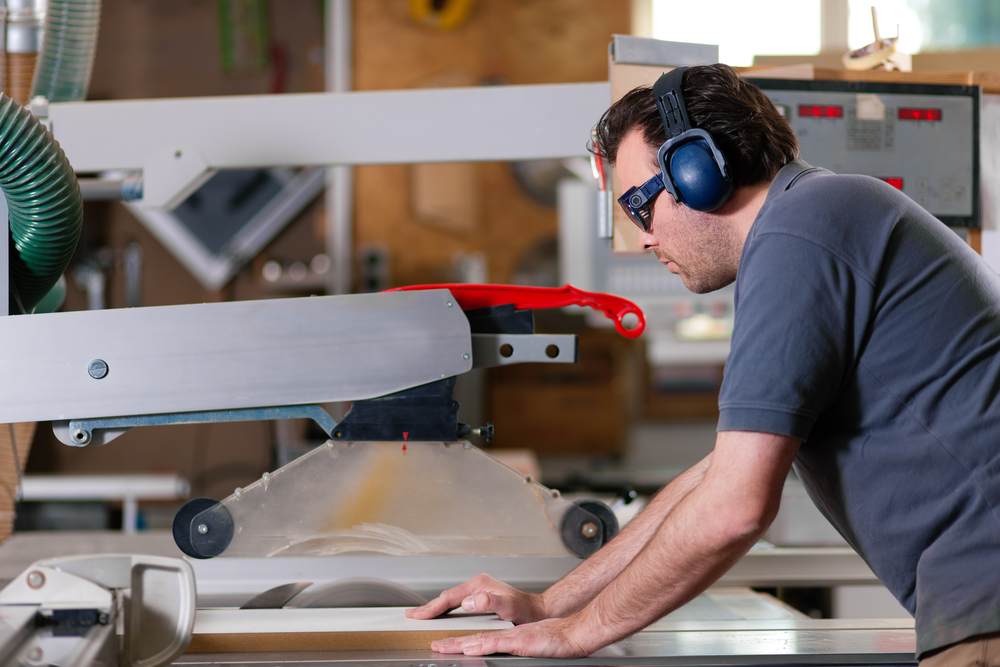
Exposure to noise for long periods poses a significant risk to your auditory health, especially in environments where the sound intensity surpasses safety thresholds. Protecting your ears is crucial—not only for avoiding hearing loss but also for preserving focus in noisy environments. So, how do you select the appropriate level of hearing protection for your needs?
Understanding noise levels and their impact
Noise damage depends not only on the loudness of the sound but also on how long you are exposed to it. We use dB—a unit that measures sound volume—as the primary metric for comprehending noise levels. Once noise hits a level of 85 dB or above, it poses a danger to your hearing, mainly if the exposure is lengthy.
For comparison, 85 dB is equal to the noise level of city traffic experienced from inside a car. An eight-hour period of non-stop exposure can lead to harm your hearing, even if the sound level doesn’t strike you as too loud. As the sound gets louder, the period of time you can be exposed securely decreases:
- A sound level of 90 dB (e.g., a Lawnmower) can cause damage after 4 hours of exposure.
- 100 dB (Power tools): Limit exposure to 1 hour or less.
- Only 15 minutes of exposure to 110 dB (like a Leaf blower) is enough to cause harm.
- 120 dB (Rock concert): Any exposure at this level can damage your hearing.
- A sound level of 140 dB (Jet engine) can cause instant pain and damage.
How to detect unsafe noise settings
If you’re often exposed to noise levels of 85 dB or more, wearing hearing protection is essential. The need for protection is stronger in work settings, including plants and construction, or in any place where machinery, equipment, or devices create excessive noise.
Beyond the professional setting, instances like recreational shooting sports, using leaf blowers, or going to concerts are cases where you may gain an advantage from using hearing protection due to the dangerous noise exposure.
Using the NRR to choose the appropriate hearing protection
We gauge the performance of hearing protection through its Noise Reduction Rating (NRR). The NRR value shows the level of sound reduction, expressed in decibels, that the device provides. Higher NRR values deliver more substantial protection. For example, earplugs with an NRR of 30 dB can reduce an 85 dB noise level to 55 dB, placing you comfortably within safe exposure bounds.
To make a good selection, you should assess the actual noise intensity you are exposed to and ensure the protector offers the necessary reduction to keep the sound below 85 dB.
The important function of comfort in uninterrupted protection
Comfort is a factor of similar significance to the NRR, as it directly impacts whether you will use the protection consistently for the long haul. If the hearing protection is cumbersome or ill-fitting, you are more likely to remove it, which results in your hearing vulnerable against dangerous noise.
Comfortable hearing protection encourages continuous use, reducing the threat of periodic exposure. To illustrate, heavy or ill-fitting earmuffs may be removed by the wearer now and then, subjecting their ears to hazardous sound levels.
The main categories of hearing protection equipment
Hearing protection comes in various types, each with its pros and drawbacks:
- Foam Earplugs are worn in the ear canal and deliver excellent protection; they are disposable and light, but not everyone finds them comfortable.
- Being reusable and resting just outside the ear canal, Pre-Molded Earplugs are a more sustainable choice and are also easier to insert and remove than foam earplugs.
- Earmuffs: Earmuffs cover the entire ear and are ideal for environments with fluctuating noise levels, as they’re easy to put on and take off. However, they may feel heavy or warm during extended use.
Choosing the appropriate type is based on your preferences and the demands of your setting. By way of illustration, a construction worker might choose earmuffs for their convenience, while someone working in a factory may prefer earplugs for continuous use.
Maintaining constant use of protection
The best hearing protection is always the device that you consistently keep in place. Taking off the protection for even a few minutes can lead to long-term harm to your hearing. Consequently, it is essential to find a product that offers the perfect balance of protection, comfort, and convenience.
Securing your auditory health
We are always surrounded by noise, yet choosing the right protective equipment ensures your ears are protected, allowing you to keep enjoying your acoustic surroundings.
Reach out to us today to talk about your risk of noise-related hearing loss and how to best safeguard your hearing health.