Hearing Loss Articles

Understanding Next Steps After an Infant Hearing Test Failure

For both parents of a young infant, hearing a medical report of infant hearing loss often feels distressing and daunting. Fortunately, the reassuring perspective dictates that through timely checks and early help, babies with hearing issues can realize remarkable achievements. Without question, these babies can construct clear speech, social competencies, and enduring bonds within their

Could Auditory Impairment Trigger Severe Depression and Anxiety?

Rather than serving as a mere bodily obstacle, hearing impairment is a deeply personal hurdle that gradually alters an individual’s worldview. Though compromised hearing is typically recognized for causing sound confusion, its psychological and emotional ramifications stay beneath the surface, yet are equally devastating. From acute social burnout to pervasive isolation, ignoring auditory decline frequently

Acoustic Geometry: How Outer Ear Morphology Influences Auditory Acuity

Perhaps you are already aware that floppy-eared canines navigate sound environments with less acoustic acuity than those with erect, triangular ears. It’s probably not surprising to learn that cats, dogs, and hamsters have the ability to adjust the direction of their ears to enhance their ability to pick up sounds from the front, sides, or

Vehicle Acoustics and Your Health: Assessing Car Noise and Hearing Loss Risk

You are deeply attached to your personal vehicle. The independence that driving provides is irreplaceable to you, but could your choice of transport be quietly driving permanent acoustic trauma? Driven by these concerns, let’s explore how transport choices influence long-term wellness. Below, we explore the primary pathways of vehicle-related hearing loss alongside effortless preventative adjustments

Will Medicare Pay for Your Hearing Aids? The Facts Explained

Does your Medicare plan pay for hearing aids? The straightforward response is no. You will not find hearing aid coverage through Original Medicare. We recognize this is frustrating, and many patients find this lack of coverage unexpected. Fortunately, there’s more to the story. There are other paths (like Medicare Advantage plans, financing options, and additional

Cognitive Hearing Loss: When the Brain Struggles to Hear

Most people think of hearing as something the ears do, which is partly true. In reality, the act of hearing is a sophisticated neurological process that relies heavily on brain health. Cognitive hearing is your brain’s ability to interpret and make sense of the sounds your ears hear. As an illustration, you may perceive the

Understanding Cerumen Impaction: Causes and Clinical Removal

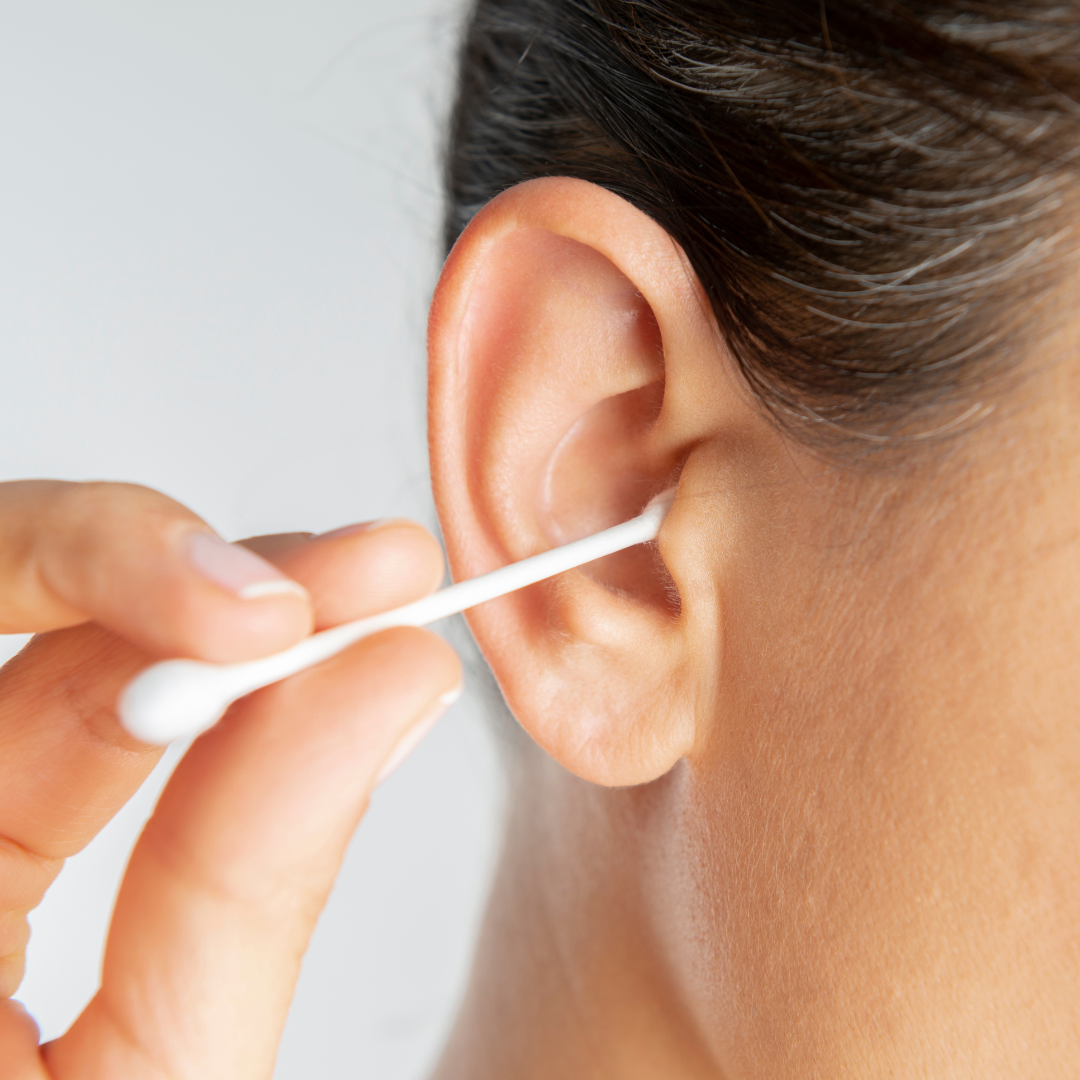
Typically, earwax is transported out of the ear canal via a self-cleaning mechanism and removed during bathing. This autonomous cleaning cycle maintains aural equilibrium without requiring external assistance. However, problems can occur when earwax builds up faster than the ear can clear it. In the following sections, we examine the triggers for cerumen impaction, safe

Auditory Fatigue: The Hidden Link to Cognitive Strain

Have you ever felt totally drained after a long conversation or social gathering? You might initially blame your exhaustion on general tiredness or a busy lifestyle. Certainly, for those with introverted tendencies or sensory processing sensitivities, social engagement is naturally taxing. However, in many clinical scenarios, the underlying driver is a neurological phenomenon known as

7 Widespread Hearing Loss Myths and the Medical Truths That Refute Them

Prevalent myths regarding hearing loss frequently act as a barrier to necessary audiological treatment. Early diagnostic accuracy is essential for anyone experiencing the onset of hearing loss. Subscribing to auditory misinformation can hinder treatment timelines and compromise social connectivity. If you have concerns about your hearing, knowing the truth (and the myths!) can help you

Environmental Impacts on Auditory Clarity: Seasonal Shifts

While auditory decline is often linked to senescence or acoustic trauma, seasonal variables significantly influence functional hearing. If you perceive winter ear-blocking or heightened summer sensitivity, these are recognized clinical patterns. Occurrences of seasonal hearing loss symptoms are frequently tied to the atmospheric and biological changes of the rotating year. Awareness of seasonal ear impacts