
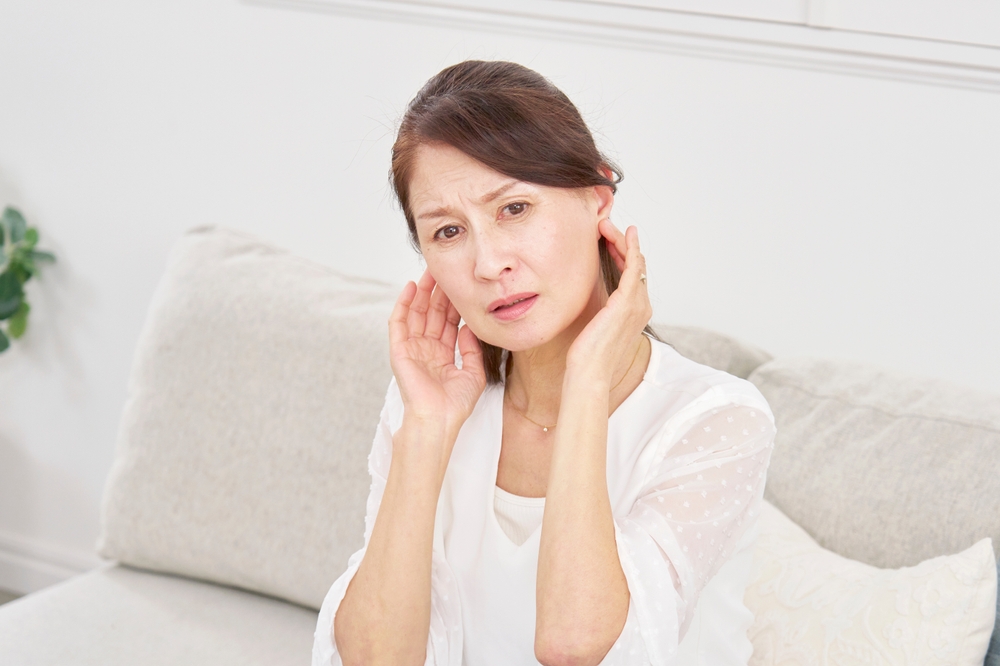
Discovering an unexpected inability to hear after sleep is a deeply alarming scenario. Sudden hearing loss feels sharp and confusing, especially when it occurs without prior pain or signal. Although simple blockages are common, more serious auditory conditions require a swift medical evaluation.
Recognizing the frequent catalysts for rapid hearing loss and acting decisively can significantly alter your recovery path. Below, we review the characteristics of abrupt hearing impairment together with clinical advice on when to call a specialist.
Defining the Parameters of Sudden Hearing Loss
Clinically, sudden hearing loss is defined as an increased reduction in hearing function that occurs within a few hours or up to three days. This loss is usually unilateral, although it can present in both ears under specific circumstances. Individual experiences vary from clouded hearing and tinnitus to a distinct sense of congestion or vocal distortion.
The Urgency of Sudden Sensorineural Hearing Loss (SSHL)
It is imperative to rule out Sudden Sensorineural Hearing Loss during the preliminary evaluation phase.
This type of hearing loss occurs when there’s a problem with the inner ear, auditory nerve, or brain pathways involved in hearing. Though a definitive cause may be hard to pin down, the following factors often play a role:
- Restricted circulation inside the cochlear system
- Heightened inflammation within the auditory pathways
- Underlying viral triggers affecting the ear
- Central nervous system abnormalities
Because the window for successful treatment is so narrow, SSHL is treated as an urgent crisis where early care dictates the outcome.
Viral Infections
Particular viral strains can result in permanent or temporary hearing shifts by irritating delicate inner ear tissues.
Frequent viral triggers linked to sudden hearing impairment are:
- Standard respiratory tract infections
- Multiple strains of influenza
- Viral strains within the herpes group
- Viral sequelae observed in select COVID-19 cases
Hearing symptoms often appear during the height of an illness or in the early recovery phase, sometimes alongside vertigo.
Hearing Loss Resulting from Physical Injury
Major head trauma, sudden pressure fluctuations, or acoustic shocks are proven to damage the sensitive components of the hearing system.
Trauma-related causes include:
- Physical impact to the cranium
- Rapid pressure changes such as barotrauma
- Sudden blasts of intense noise
- Physical displacement of inner ear fluids
Don’t ignore minor trauma, as rapid hearing changes post-injury often signal underlying damage.
Sudden Loss Due to Ear Canal Obstruction
Though cerumen buildup is typically benign, a significant blockage can trigger an immediate shift in auditory clarity.
Cerumen-induced hearing loss may:
- Appear over a rapid duration
- Create a clear sensation of aural congestion
- Affect one ear more than the other
- Clear up following the expert extraction of the wax
Crucially, a self-diagnosis at home cannot accurately distinguish between a simple blockage and a nerve-related crisis. This diagnostic ambiguity is why immediate expert care is so important.
Additional Factors in Rapid Auditory Decline
Additional contributors to sudden hearing loss may include:
- Medication side effects
- Vascular health issues affecting the ear
- Immune-mediated inner ear disorders
- Tumors affecting the auditory nerve
A thorough diagnostic battery is essential to eliminate these more complex causes.
The Critical Importance of Immediate Intervention
The single most vital piece of advice for sudden deafness is to seek care without any hesitation.
Seeking a rapid clinical assessment allows you to:
- Identify reversible causes
- Maximize the potential impact of medical therapies
- Stop additional decline within the fragile inner ear
- Limit the personal and personal toll of long-term hearing impairment
Hearing assessment plays a pivotal role in determining the type and severity of hearing loss and guiding next steps.
Identifying Red Flags for Urgent Hearing Care
Immediate clinical attention is needed if any of the following symptoms manifest:
- Unexpected deafness occurring in one or both ears
- A loss of hearing accompanied by vertigo or lack of coordination
- A sudden sensation of ringing or intense aural pressure
- Auditory decline following a sickness or physical trauma
Though your hearing may seem to recover slightly, a professional check-up is still vital for a full diagnosis.
How Hearing Tests Provide Immediate Solutions
Audiological diagnostics are designed to quickly determine if the loss is:
- Mechanical (related to blockage or middle ear issues)
- A sensorineural problem involving delicate neural pathways
- A transient condition or a permanent auditory change
Initiating diagnostics early facilitates more effective clinical choices and improved recovery.
Prioritizing Your Auditory Health and Peace of Mind
It is normal to feel alarmed by sudden deafness, but immediate professional help offers the best chance for success.
If you notice an unexpected change in your hearing, getting a professional evaluation can protect your auditory wellness and your peace of mind. Our team is ready if you experience sudden hearing loss: Call our care team as soon as possible at our office for the help you need.