
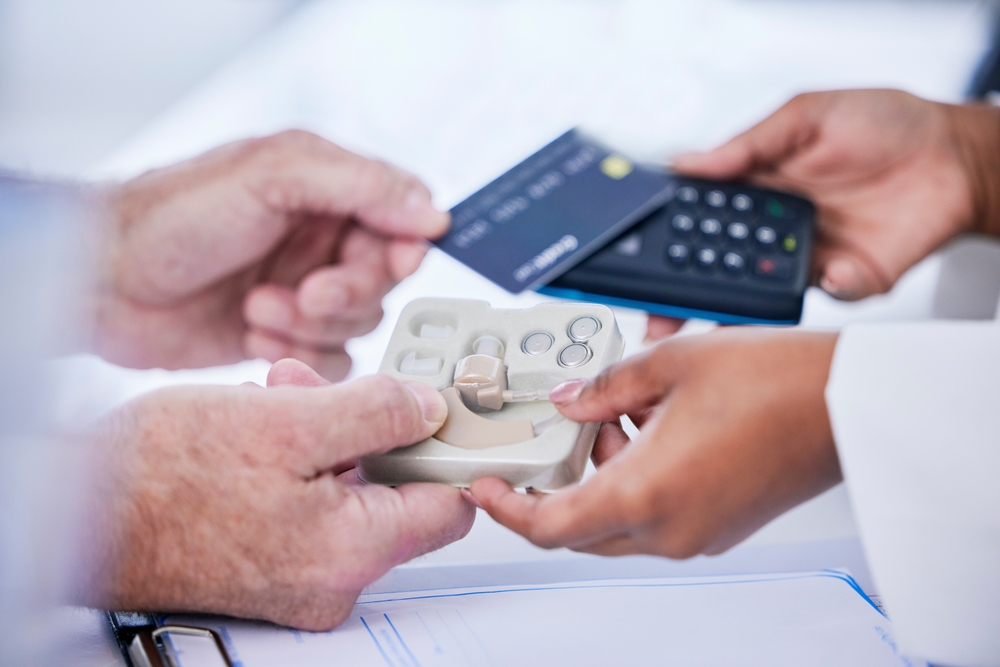
Patients researching therapeutic sound amplification often find that the initial acquisition expense stands out immediately. Based on the sophistication of the digital signal processing and the required audiometric programming, these devices span a wide pricing spectrum. This baseline cost frequently catches individuals off guard, occasionally stalling their journey toward improved communication.
The sticker price is a real metric, yet it rarely reflects the actual net expenditure for the patient. Most individuals fail to recognize that the initial quote is infrequently the true financial burden after adjustments. Through the strategic use of indemnity policies, dedicated health accounts, and flexible payment timelines, the acquisition process becomes highly manageable.
This guide walks you through the most common options so you can understand what’s available before you go into an appointment and, hopefully, feel more confident about the investment in your hearing health.
Evaluating Third-Party Payer Coverage for Auditory Rehabilitation
Initial financial due diligence should always begin with an evaluation of your current insurance portfolio.
If you have private or employer-sponsored insurance, coverage for hearing aids can vary widely. Certain contracts provide percentage-based co-insurance, whereas alternative policies offer a rigid monetary stipend. Regrettably, specific commercial contracts provide no financial remedy for hearing preservation. To find out more, call the number on your insurance card and ask about hearing aid benefits. You should explicitly confirm benefit renewal intervals, whether post-fitting care is covered, and contracted clinic networks.
When navigating public health options, recognize that traditional federal Medicare components do not subsidize these devices. Fortunately, choice Medicare Part C programs fill this gap by providing an annual allowance or discounted device network.
Under Medicaid programs, specific device coverage is highly dependent upon regional state mandates. Some programs provide hearing aid benefits for qualifying adults, so it’s worth checking or asking your provider for guidance.
Tax-Advantaged Financing: Utilizing HSA and FSA Funds for Hearing Care
Possessing an HSA or an FSA equips the patient with a highly efficient asset for absorbing device costs.
The federal government recognizes therapeutic hearing systems as allowable medical expenses, facilitating tax-free acquisition. That alone can make a big difference. As a case in point, combining a $2,000 equipment cost with a 22% tax bracket yields a net savings of several hundred dollars. While HSA vehicles allow long-term capital accumulation, standard corporate FSAs enforce a rigid use-it-or-lose-it clause each calendar cycle. That means it’s especially important to use those funds before they’re lost! The IRS rules extend to both advanced prescription systems and compliant OTC variants, justifying a review of your account balance.
Structured Payment Plans and Credit Options for Modern Hearing Aids
To avoid a single large capital outflow, medical practices frequently offer specialized patient installment plans. These specific arrangements, often administered via platforms such as CareCredit, frequently feature promotional interest-free windows. That means you don’t have to choose a lower-quality device just to keep costs down in the short term.
Financing is a normal part of the conversation. If budgetary constraints are a factor in your decision-making, ensure you communicate this to your provider. Keep in mind that these diverse consumer pathways were developed to address these precise medical realities! And it because people shouldn’t have to put a huge strain on their finances just to be able to care for their health, including their hearing.
Veterans: Your Hearing Benefits May Be Greater Than You Think
Because acoustic injury is statistically ubiquitous among military personnel, the VA provides extensive audiology benefit frameworks.
Those with verified eligibility can obtain top-tier otologic hardware with no out-of-pocket exposure via the VA health network. Even if your documentation lacks an explicit acoustic connection, your broader VA medical tier might authorize these devices. If your military health benefits remain unutilized, coordinating with a local veteran service officer can streamline the application process.
Alternative Community-Based Grant and Aid Programs for Hearing Hardware
Nonprofit and community-based programs can help make hearing aids more affordable. Renowned non-profits like the Starkey Hearing Foundation and civic clubs like the Lions Club routinely sponsor individuals requiring acoustic aid. Some states also have hearing aid programs for low-income adults.
Though administrative processing times and qualification reviews apply, these non-profit options provide crucial lifelines for the under-insured. You can check online with most of these organizations to see if you qualify, or at least get the conversation started.
OTC Hearing Hardware: A Technical Assessment of Lower-Cost Auditory Options
The OTC retail segment offers a highly economical alternative, with average pair pricing falling between several hundred and one thousand dollars. This retail equipment is specifically engineered to address uncomplicated, mild-to-moderate sensory changes in mature populations.
Yet, without the intervention of an expert to customize the acoustic programming, many users fail to achieve adequate speech intelligibility. For moderate or more advanced hearing loss, prescription devices fitted by a hearing professional tend to deliver better outcomes.
Rather than purchasing an OTC model out of economic necessity, investing in a professional evaluation establishes your true baseline needs. An OTC unit provides a reasonable short-term stopgap for patients navigating the administrative timelines of specialized procurement. They deliver a satisfactory temporary compromise, but remain structurally inferior to custom clinical systems over an extended timeline.
Partnering with Our Clinic to Navigate Auditory Technology Financing
We help our patients navigate hearing aid costs every day. Most individuals are pleasantly surprised by the diversity of available payment pathways once analyzed.
We request that you present your comprehensive policy details during your consultation so we can map out covered benefits and structure an affordable plan. Contact our scheduling desk today or utilize our digital portal to book your comprehensive diagnostic audiology appointment. We’re happy to help you find a solution for hearing aid costs that feels manageable.