Hearing Tips

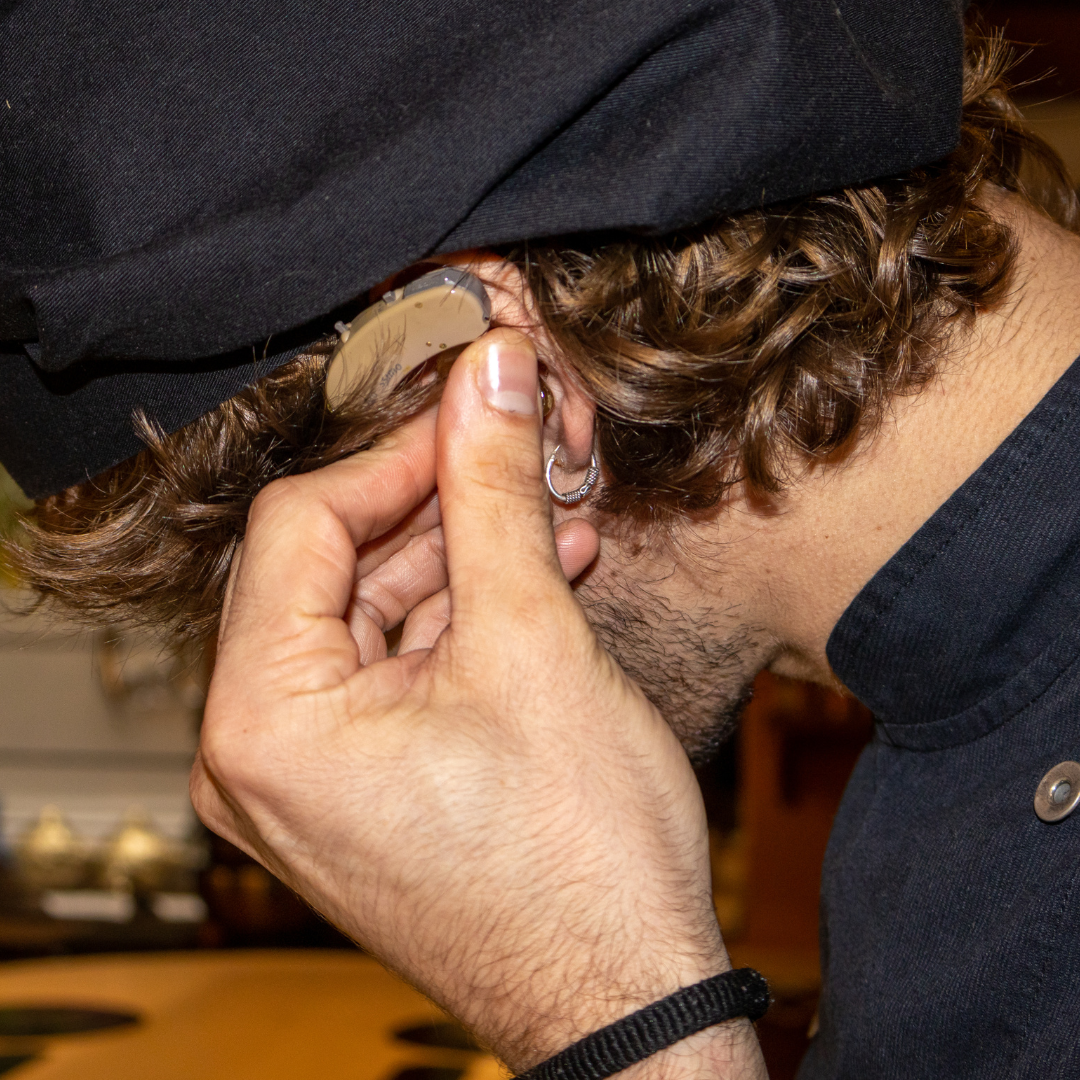
Why Hearing Aids Whistle and Effective Ways to Stop Feedback

High-frequency squealing from a hearing aid often begins without warning, creating significant distraction and discomfort until appropriately corrected. Our clinical team will evaluate your hearing aid to discover whether loose fit, earwax buildup, gain levels, aged tubing, or hardware defects cause the noise. Understand the primary causes of acoustic feedback and learn safe home protocols

Why Are Restaurants Challenging for Hearing? Practical Communication Tips

Tracking speech in busy dining venues can feel exhausting when environmental noise drowns out your hearing. Our practice can evaluate hearing in both quiet and noisy conditions to identify what makes these environments difficult. Once the diagnostic etiology of your difficult hearing is established, we implement personalized clinical and technological strategies. Why Everyday Hearing Fails

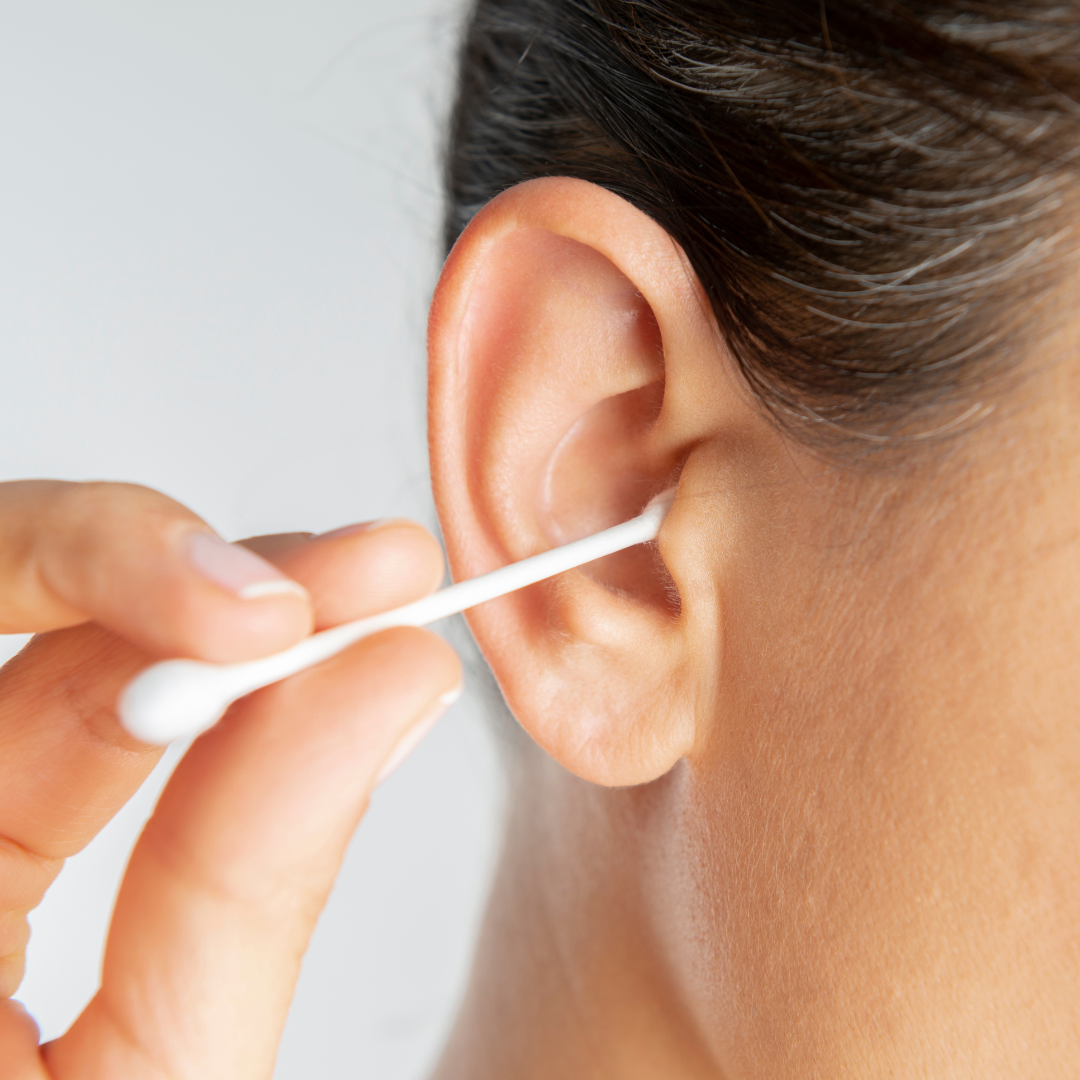
Is Using Q-Tips Unsafe for Your Ears? Clinical Methods for Earwax Removal

Cotton swabs may seem like convenient ear-cleaning tools, but inserting one into the ear canal can make cleaning harder over time and may damage your ears. We can determine whether earwax actually needs removal and recommend a method suited to your ear health. Most ears do not mandate routine physical scrubbing; yet, if accumulation occurs,

Why Do I Feel Dizzy When I Lie Down? Understanding BPPV

Noticing that your surroundings seem to spin when you recline, roll sideways, or sit up in bed can feel disorienting and frightening. We can evaluate dizziness and balance concerns to determine if the cause is the easily addressed benign paroxysmal positional vertigo (BPPV). Dedicated specialists explain the underlying physiology of positional vertigo while implementing customized

What Is Driving Headaches From Your Hearing Aids?

Hearing aids are intended to help compensate for your unique hearing loss condition. Regardless of whether you are a first-time user of hearing aids or have utilized them for a long time, if your hearing aids prompt headaches or physical discomfort, relief is available. A correctly programmed hearing aid rests smoothly in the ear and

Understanding Next Steps After an Infant Hearing Test Failure

For both parents of a young infant, hearing a medical report of infant hearing loss often feels distressing and daunting. Fortunately, the reassuring perspective dictates that through timely checks and early help, babies with hearing issues can realize remarkable achievements. Without question, these babies can construct clear speech, social competencies, and enduring bonds within their

Could Auditory Impairment Trigger Severe Depression and Anxiety?

Rather than serving as a mere bodily obstacle, hearing impairment is a deeply personal hurdle that gradually alters an individual’s worldview. Though compromised hearing is typically recognized for causing sound confusion, its psychological and emotional ramifications stay beneath the surface, yet are equally devastating. From acute social burnout to pervasive isolation, ignoring auditory decline frequently

Acoustic Geometry: How Outer Ear Morphology Influences Auditory Acuity

Perhaps you are already aware that floppy-eared canines navigate sound environments with less acoustic acuity than those with erect, triangular ears. It’s probably not surprising to learn that cats, dogs, and hamsters have the ability to adjust the direction of their ears to enhance their ability to pick up sounds from the front, sides, or

Vehicle Acoustics and Your Health: Assessing Car Noise and Hearing Loss Risk

You are deeply attached to your personal vehicle. The independence that driving provides is irreplaceable to you, but could your choice of transport be quietly driving permanent acoustic trauma? Driven by these concerns, let’s explore how transport choices influence long-term wellness. Below, we explore the primary pathways of vehicle-related hearing loss alongside effortless preventative adjustments

Acoustic Static: What Constant Wind or White Noise in Your Ears Signifies

What is the source of that bizarre internal sound resembling continuous static or rushing wind inside your head? Why is this disruptive acoustic phenomenon completely silent to everyone else? It’s not your imagination. Fortunately, it’s probably not “phantom ring syndrome,” a condition where people who use cell phones excessively think they hear their phone ring,