Hearing Loss Articles

The Most Common Causes of Sudden Hearing Loss

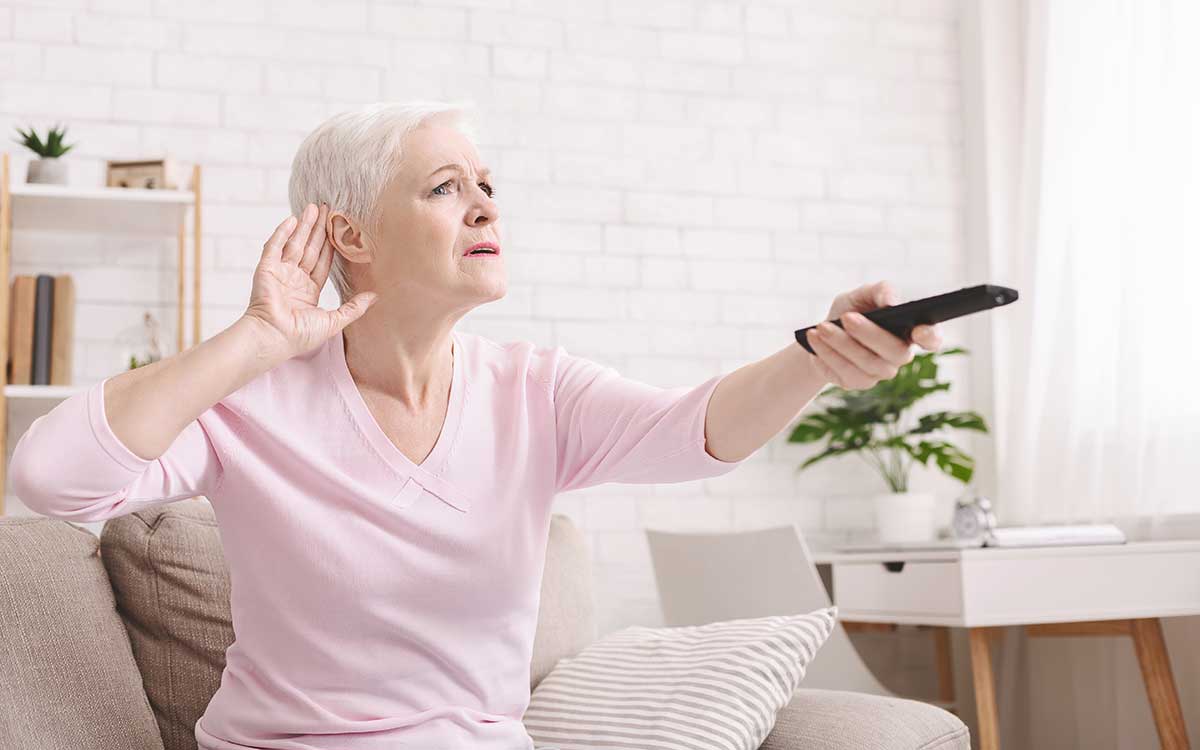
Waking up one morning and realizing you can’t clearly hear is a frightening experience for anyone. Sudden hearing loss feels abrupt and disorienting, especially when it happens without prior pain or warning. While some causes are temporary and easily treated, others require immediate medical attention. Understanding the most common causes of sudden hearing loss and

Identifying Primary Triggers for Sudden Hearing Loss

Discovering an unexpected inability to hear after sleep is a deeply alarming scenario. Sudden hearing loss feels sharp and confusing, especially when it occurs without prior pain or signal. Although simple blockages are common, more serious auditory conditions require a swift medical evaluation. Recognizing the frequent catalysts for rapid hearing loss and acting decisively can

The Chronic Results of Acoustic Levels on Hearing Function

While many individuals correlate hearing loss to senescence, but for millions of Americans, hearing damage begins much sooner. As one of the most prevalent and avoidable types of auditory impairment, noise-induced hearing loss typically progresses slowly, remaining undetected until the damage is irreversible. An objective understanding of noise-related auditory impact over time is essential for

Is It Cerumen Impaction or Long-term Auditory Damage?

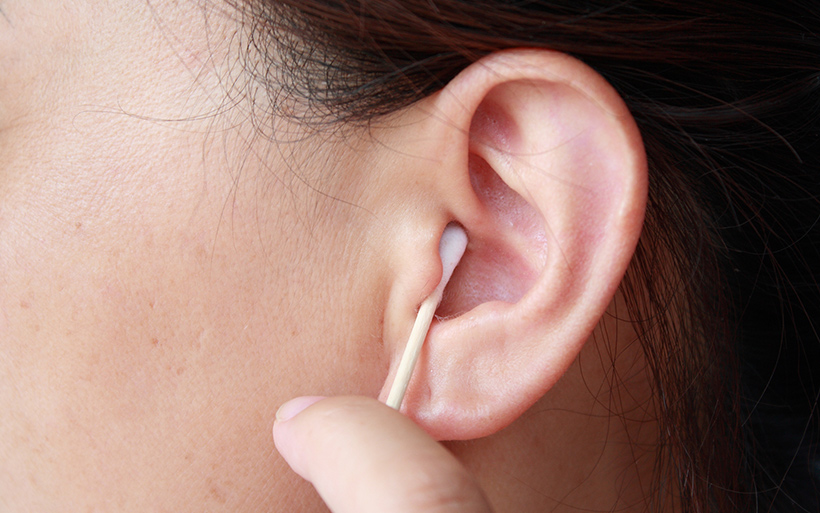
When your hearing feels dampened, it can impact your daily schedule and leave you feeling withdrawn from your surroundings. Many people immediately worry they’re experiencing irreversible hearing loss when, in reality, the culprit may be something much more basic: cerumen accumulation. Distinguishing between a wax impaction and actual hearing loss is vital for identifying if

Essential Holiday Travel Methods for Individuals with Hearing Loss

The holiday period is brimming with excitement: long-awaited reunions, winter getaways, and festive feasts with the people who count most. But journeying with hearing loss or tinnitus is difficult. Noise, disorder, and hectic environments can make the holidays feel more hectic than cheerful. The good news? With the proper preparations and plans, holiday travel can

Protecting Your Hearing in Winter: How to Keep Ears Healthy in the Chill

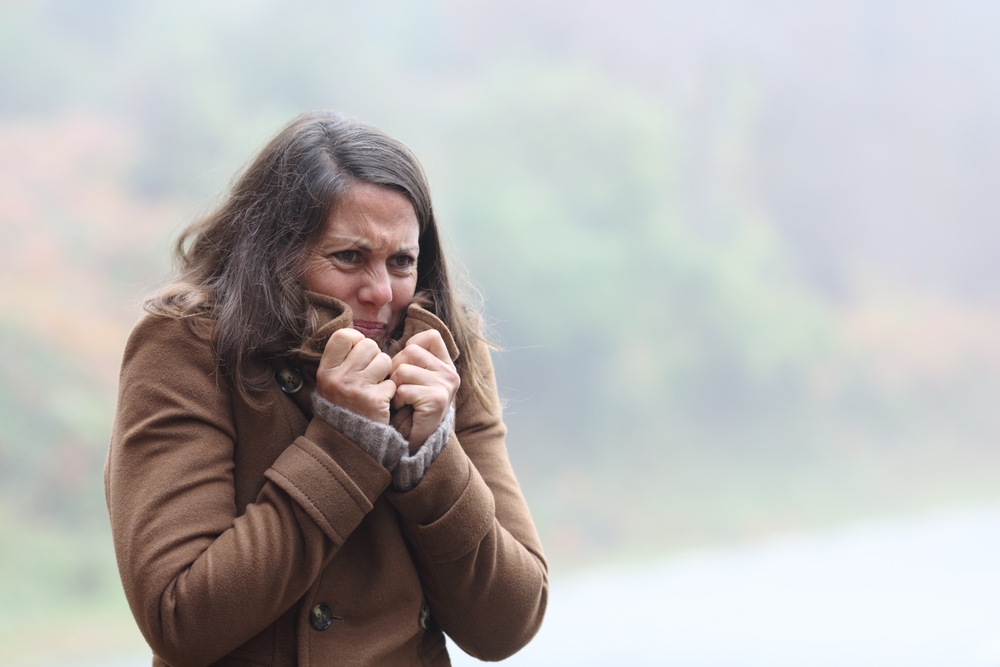
Winter comes with warm sweaters, festive lights, and festive family fun, but it also delivers conditions that can be tough on your ears. Cold temperatures, dry air, increased congestion, and winter sicknesses can all impact ear comfort and hearing wellness. You can simply support your ear health this season simply by ensuring they stay warm.

Ascertaining the Needed Hearing Protection Level

Exposure to noise for long periods poses a significant risk to your auditory health, especially in environments where the sound intensity surpasses safety thresholds. Protecting your ears is crucial—not only for avoiding hearing loss but also for preserving focus in noisy environments. So, how do you select the appropriate level of hearing protection for your

Is Thanksgiving the Right Time to Discuss Hearing Loss?

Thanksgiving is all about food, kin, and dialogue. If a person you care about faces hearing loss, they may feel isolated at the dinner table, regardless of the loving family present. While one might hesitate, a holiday setting is often an ideal, supportive time to begin a sensitive conversation about hearing health. The Reasons Thanksgiving

Difficulty with Your New Hearing Aids? Why They Could Cause Headaches and What to Do

Providing better communication and an enhanced quality of life, hearing aids can truly be life-changing. However, some people experience headaches when they first begin using hearing aids. Fortunately, these headaches are generally fleeting and simple to manage with necessary adjustments and care, though they are annoying at first. We will now explore the reasons for

Using Hearing Aids Sooner May Drastically Lessen the Probability of Dementia

What if protecting your auditory function could also assist in protecting your cognitive reserves? That’s the finding of a major a study based on long-term data from the Framingham Heart Study. The findings show that adults who commence using hearing aids before the age of 70 may reduce their risk of developing dementia by as