
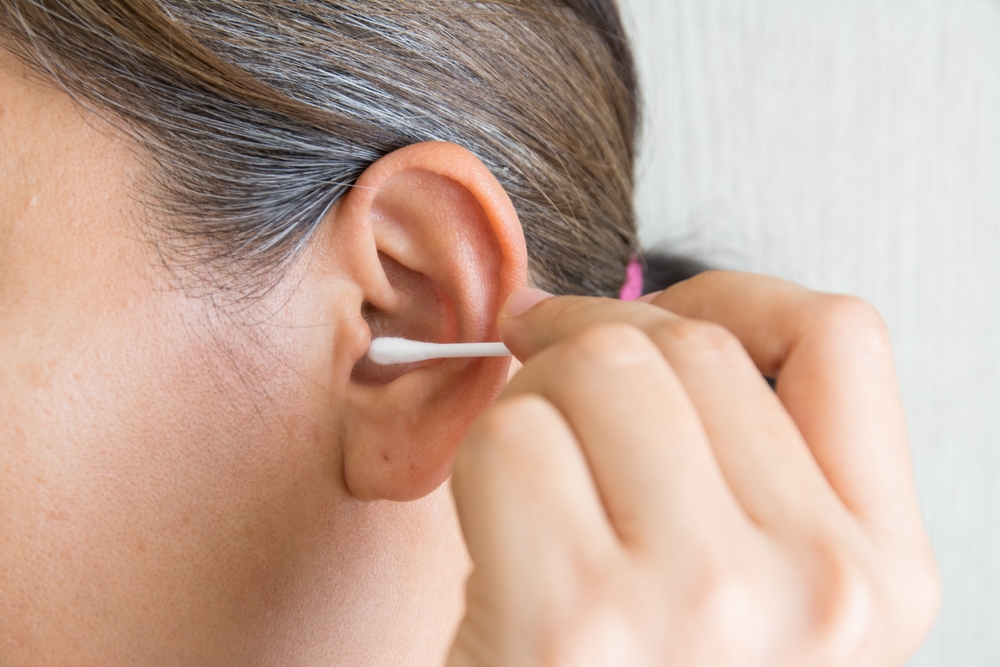
Typically, earwax is transported out of the ear canal via a self-cleaning mechanism and removed during bathing. This autonomous cleaning cycle maintains aural equilibrium without requiring external assistance.
However, problems can occur when earwax builds up faster than the ear can clear it. In the following sections, we examine the triggers for cerumen impaction, safe home protocols, and the criteria for professional earwax blockage treatment.
The Biological Function of Cerumen
Though frequently misunderstood, earwax is essential for maintaining the integrity of the ear canal. By utilizing its sticky consistency, cerumen prevents debris and microorganisms from entering the sensitive deeper ear. Furthermore, its lipid content ensures the ear canal remains moisturized and resistant to external irritants.
Triggers for Pathological Cerumen Accumulation
Specific behaviors and physical conditions often cause earwax to stagnate rather than exit the canal. When earwax becomes impacted, it may lead to symptoms such as muffled hearing, ear fullness, ringing in the ears, dizziness, or discomfort.
The most common reasons for aural blockages are:
Cotton swab (Q-tip) use
Inserting cotton swabs into the ear often pushes wax deeper into the canal instead of removing it. This habit is a leading cause of severe, mechanically induced ear obstructions.
In-ear devices that obstruct the canal
Equipment that sits within the ear often forces wax back into the canal, leading to impaction.
Anatomical variations like stenotic or tortuous canals
Some people naturally have ear canal shapes that make it harder for wax to clear on its own.
Hyperactive ceruminous glands
Certain individuals simply produce more wax than average.
How to Safely Address Mild Earwax Buildup at Home
If earwax buildup is mild, you can take a few safe approaches that may help soften or loosen the wax. Acceptable home interventions involve:
- Specialized drops available at pharmacies can emulsify hardened cerumen.
- Post-softening, a gentle lavage with a bulb syringe and tepid water can flush the canal.
- Hydrogen peroxide drops can be used to bubble away debris, followed by careful draining.
Conservative care can often resolve symptoms without the need for clinical intervention. However, it’s important to note that there are several things that should never be used to remove earwax at home. Unsafe practices often result in tissue damage or secondary infections:
- Cotton swabs or Q-tips
- Unapproved small instruments or probes
- Alternative “candling” therapies
- Forcible water injection into the ear canal
The Role of the Specialist in Earwax Management
Sometimes, earwax becomes too compacted to remove safely at home. Seeking help from a medical provider ensures the blockage is removed without injury.
Specialists in ENT care have access to advanced equipment for safe and effective wax removal. Professional removal is usually quick and can provide immediate relief from symptoms caused by impacted wax. Methods such as suction, specialized loops, or precision irrigation are standard in a clinical setting.
Professional help is warranted for any of these symptoms:
- Sudden hearing loss or muffled hearing
- Ear pain or pressure
- Chronic tinnitus or buzzing
- Dizziness
- Aural issues that persist despite the use of cerumenolytic drops
Final Thoughts on Cerumen Management
Generally, the auditory system is highly efficient at maintaining its own cleanliness. Aggressive manual cleaning is more likely to cause harm than to resolve a blockage.
Should you suffer from chronic buildup, our team can provide a preventative care protocol. Your hearing health is best served by a balance of conservative care and expert intervention. Reach out to our care team today if you require a professional ear cleaning or consultation. We are available for your auditory needs!