
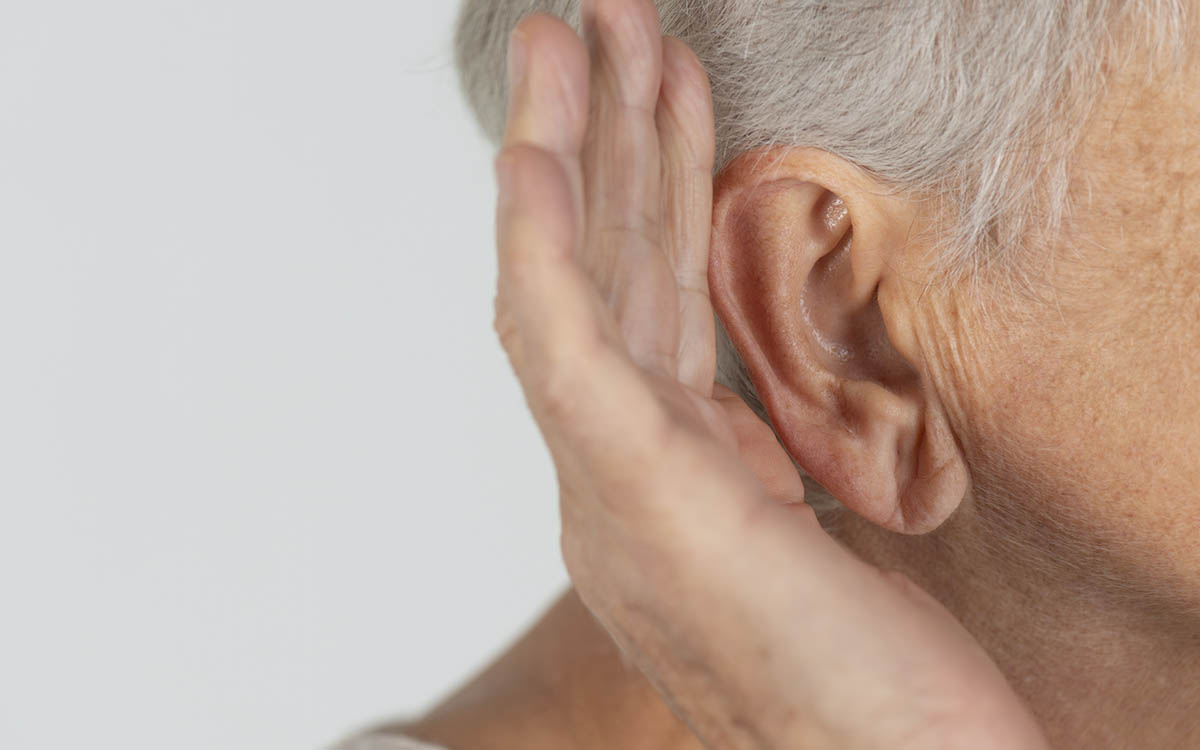
While many individuals correlate hearing loss to senescence, but for millions of Americans, hearing damage begins much sooner. As one of the most prevalent and avoidable types of auditory impairment, noise-induced hearing loss typically progresses slowly, remaining undetected until the damage is irreversible.
An objective understanding of noise-related auditory impact over time is essential for implementing safeguards prior to the onset of clinical hearing loss.
Identifying the Parameters of Noise-Related Hearing Loss
The pathology of noise-induced hearing loss involves trauma to the sensitive anatomical structures within the inner ear. Data from the CDC indicate that, sustained or frequent exposure to sounds exceeding 85 decibels, such as heavy traffic, can initiate auditory damage. More intense acoustic stimuli, such as power equipment or firearms, are capable of inducing auditory trauma in a matter of minutes.
Inside the inner ear are tiny sensory cells called hair cells. These units are responsible for translating sound waves into the electrical signals required for auditory perception. Once damaged, hair cells do not regenerate, making this form of hearing loss a lifelong auditory deficit.
How Hearing Damage Builds Incrementally
The insidious nature of noise-induced hearing loss is highlighted by its gradual developmental timeline. Initial clinical indicators of sound-induced trauma may involve:
- Temporary ringing or buzzing in the ears (Tinnitus)
- Post-exposure auditory dullness or perceived muffling of sound
- Difficulty understanding speech in noisy environments
These early warning signs may fade, leading people to assume their hearing has “recovered”. Actually, subsequent noise events continue to degrade internal ear structures, slowly reducing hearing clarity and sensitivity over time.
According to the hearing loss Association of America, nearly 48 million citizens live with hearing loss, frequently with unidentified etiology.
Identifying Everyday Sound Hazards Impacting Ear Health
We live in a noisy world, and it’s easy to become desensitized to loud sounds. Consequently, the frequency of hazardous noise exposure is often underestimated.
Commonly encountered risks include:
- Venues featuring high-decibel live music
- High-volume output from personal listening equipment
- Motorized landscaping equipment, power machinery, and vehicles
- Industrial workplace environments such as warehouses and construction sites
Since these noises are integrated into daily routines, cumulative damage often occurs without immediate clinical indicators.
Prioritizing Prevention in Ear Preservation
In contrast to certain medical conditions, noise-induced hearing loss is characterized by its permanent nature. Nevertheless, it remains a highly avoidable pathology. Adopting straightforward preventative behaviors can markedly decrease the likelihood of injury, including:
- The application of earplugs or attenuation earmuffs in loud areas
- Reducing personal audio volume and adhering to the 60/60 safety guideline
- Scheduled breaks from noise to facilitate ear recovery time
- Ensuring consistent Audiology check-ups for those in high-noise environments
Indicators to Schedule Expert Hearing Care
The presence of chronic Tinnitus, impaired speech recognition, or altered auditory clarity warrants a professional Audiology consultation. Timely professional assessment facilitates the creation of a management plan to maintain long-term auditory health.
Prioritizing auditory health now ensures the preservation of hearing clarity for the future. Exposure to noise is frequent, yet hearing loss can be successfully avoided through proper care. Contact our team today to schedule a consultation and make sure you’re hearing your best.