Hearing Tips

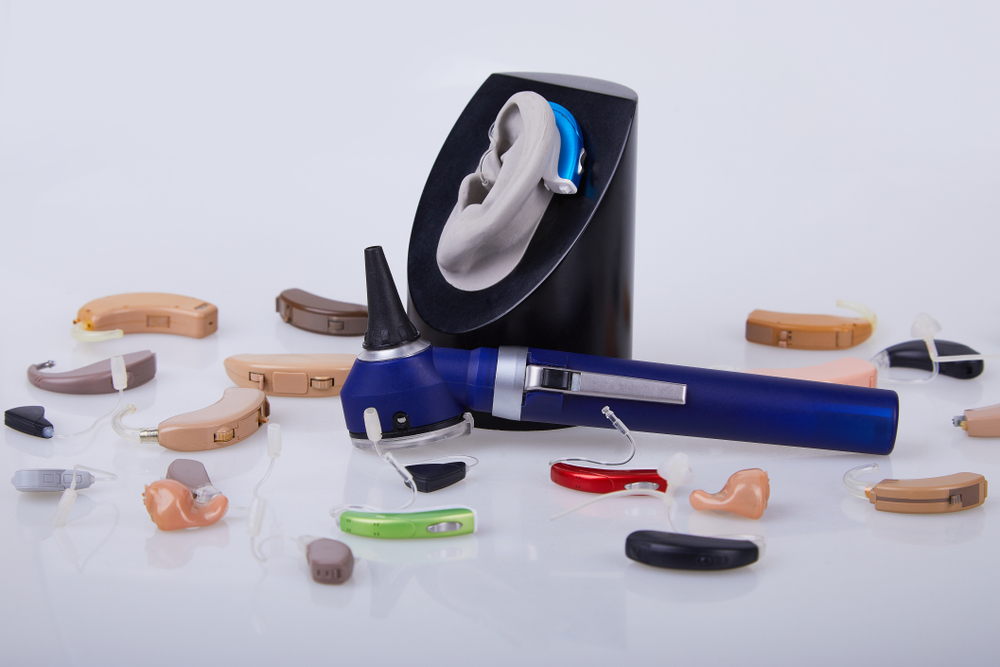
Navigating the Choices: An Overview of Hearing Aid Designs

The sheer amount of hearing aid designs and technology levels on the market today can make the selection process feel complicated. Fortunately, there is an ideal hearing solution for every person, regardless of their lifestyle or the severity of their hearing loss or tinnitus. The key is simply choosing the one that fits you best.

Essential Holiday Travel Methods for Individuals with Hearing Loss

The holiday period is brimming with excitement: long-awaited reunions, winter getaways, and festive feasts with the people who count most. But journeying with hearing loss or tinnitus is difficult. Noise, disorder, and hectic environments can make the holidays feel more hectic than cheerful. The good news? With the proper preparations and plans, holiday travel can

Can You Use Hearing Aids During Winter Sports?

Numerous individuals keenly await skiing, an exhilarating cold-weather sport, for the whole season. But if you wear hearing aids, you might question if it’s secure (or practical) to wear them on the mountain. In many cases, you can ski with your hearing aids, as long as you take a few precautions to protect both your

Protecting Your Hearing in Winter: How to Keep Ears Healthy in the Chill

Winter comes with warm sweaters, festive lights, and festive family fun, but it also delivers conditions that can be tough on your ears. Cold temperatures, dry air, increased congestion, and winter sicknesses can all impact ear comfort and hearing wellness. You can simply support your ear health this season simply by ensuring they stay warm.

Overcoming Social Barriers With Recent Progress of Today’s Hearing Aids

The start of hearing loss is typically insidious for many, leading it to be readily disregarded. Even when conversations start to sound muffled or social gatherings feel exhausting, some people hesitate to take the next step. The reluctance is frequently found not in the devices physically, but in the symbolism they represent. Regardless of its

Ascertaining the Needed Hearing Protection Level

Exposure to noise for long periods poses a significant risk to your auditory health, especially in environments where the sound intensity surpasses safety thresholds. Protecting your ears is crucial—not only for avoiding hearing loss but also for preserving focus in noisy environments. So, how do you select the appropriate level of hearing protection for your

Is Thanksgiving the Right Time to Discuss Hearing Loss?

Thanksgiving is all about food, kin, and dialogue. If a person you care about faces hearing loss, they may feel isolated at the dinner table, regardless of the loving family present. While one might hesitate, a holiday setting is often an ideal, supportive time to begin a sensitive conversation about hearing health. The Reasons Thanksgiving

The Life-Changing Benefits of Bluetooth Hearing Aids

Everything today is focused on connectivity: to individuals, to knowledge, and to audio input. For those with hearing loss, keeping pace with that connected life can be challenging, especially with older hearing aids that simply make things louder rather than clearer. Bluetooth hearing aids are making a difference. They achieve easier communication and a more

Difficulty with Your New Hearing Aids? Why They Could Cause Headaches and What to Do

Providing better communication and an enhanced quality of life, hearing aids can truly be life-changing. However, some people experience headaches when they first begin using hearing aids. Fortunately, these headaches are generally fleeting and simple to manage with necessary adjustments and care, though they are annoying at first. We will now explore the reasons for

Using Hearing Aids Sooner May Drastically Lessen the Probability of Dementia

What if protecting your auditory function could also assist in protecting your cognitive reserves? That’s the finding of a major a study based on long-term data from the Framingham Heart Study. The findings show that adults who commence using hearing aids before the age of 70 may reduce their risk of developing dementia by as