
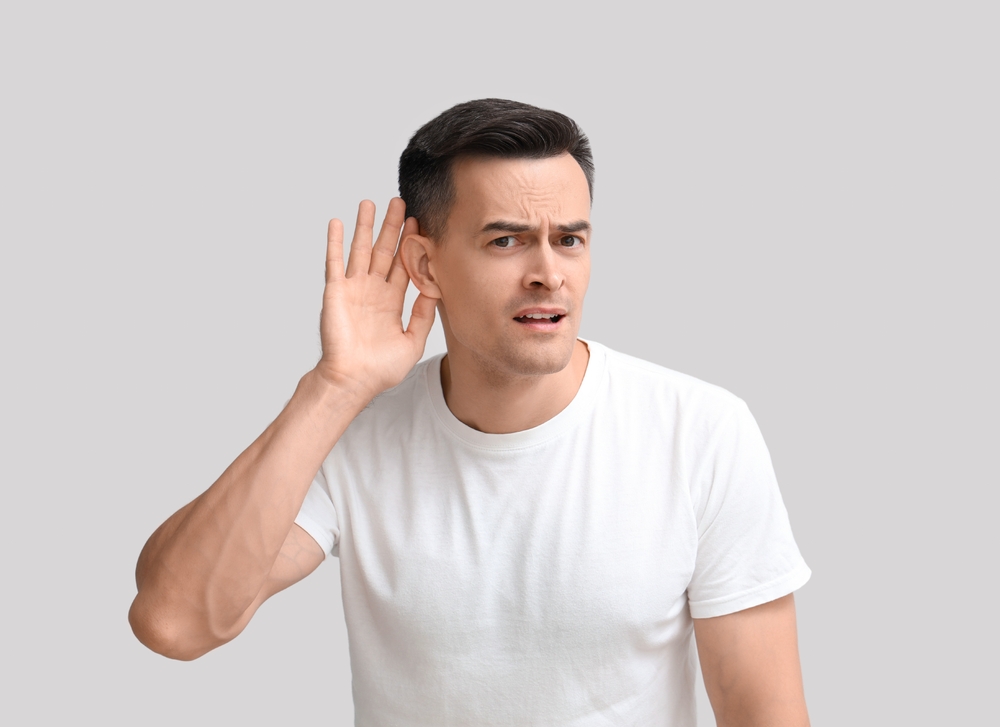
Have you ever felt totally drained after a long conversation or social gathering?
You might initially blame your exhaustion on general tiredness or a busy lifestyle. Certainly, for those with introverted tendencies or sensory processing sensitivities, social engagement is naturally taxing. However, in many clinical scenarios, the underlying driver is a neurological phenomenon known as auditory fatigue.
Auditory fatigue occurs when the central nervous system must expend excessive energy to decode acoustic signals. When hearing is not as clear as it should be, the brain often tries to fill in missing pieces of speech and interpret unclear sounds, which takes significant mental effort. Over time, this constant strain can leave you feeling mentally exhausted.
Many people mistake auditory fatigue for ordinary tiredness. In many cases, persistent fatigue serves as a diagnostic “red flag” for early-onset hearing impairment. Undergoing a clinical screening can identify the extent to which hearing loss drives your daily fatigue. Should these symptoms persist, it is vital to discuss the possibility of hearing loss with a healthcare professional.
The Physiological Triggers of Auditory Fatigue
Multiple variables contribute to heightened cognitive demand during sound processing, elevating the risk of auditory fatigue.
Untreated Hearing Loss
One of the most common causes is untreated hearing loss.
The inability to capture high-frequency sounds forces the brain to work double-time to interpret the message. This perpetual state of “phonemic guessing” elevates cognitive load and triggers rapid burnout during dialogue.
The Challenge of Complex Soundscapes
High-noise environments significantly exacerbate the symptoms of auditory fatigue. Loud public spaces, corporate boardrooms, and large social gatherings typically feature high levels of competing ambient noise.
Processing concurrent audio streams requires the brain to perform intense “auditory scene analysis” to find the primary speaker. The resulting cognitive overload is particularly severe for those managing even marginal degrees of hearing loss.
How Internal Noise Increases Listening Effort
Tinnitus—the perception of internal ringing—exacerbates fatigue by increasing the sheer volume of data the brain must process.
When hearing loss causes sound to arrive garbled, the brain must work with higher intensity to extract meaning.
Common Signs of Auditory Fatigue
This type of fatigue often degrades both your ability to concentrate and your general vitality. Typical red flags for this condition include:
- Feeling mentally drained after conversations
- Difficulty concentrating during meetings or group discussions
- Onset of tension headaches following sustained auditory focus
- A sense of agitation triggered by difficult listening conditions
- Withdrawing from conversations or social events
- The need for a “quiet recovery period” following social exposure
Frequent presentation of these symptoms is a clear sign of neurological auditory over-exertion.
The Cognitive Cost of Auditory Decline
When hearing is clear, the brain can process speech almost effortlessly. Conversely, hearing loss forces the brain to redirect energy from other executive functions to assist in sound decoding.
This state of over-exertion is technically referred to as an elevated cognitive load. It’s where the brain redirects energy from other tasks (like memory and focus) to figure out what someone is saying. This continuous drain on the brain’s “battery” leads to chronic daily exhaustion. Standard dialogue, which should be easy, becomes a high-intensity cognitive task.
How a Hearing Test Can Identify the Problem
When fatigue becomes a daily burden, a professional evaluation provides the necessary data for a solution. During a comprehensive hearing test, an audiologist will measure how well you hear different tones and speech sounds. Testing your hearing in a noisy context is vital for identifying the true drivers of your social exhaustion.
A professional assessment confirms the link between your ears and your exhaustion, enabling targeted care. By catching these changes in their infancy, you can implement solutions before they damage your social and professional life.
Restoring Energy Through Hearing Care
Treating hearing loss can significantly minimize listening fatigue.
Advanced hearing aids utilize AI to sharpen speech signals while simultaneously suppressing irrelevant environmental noise. The brain can finally rest, receiving data that is easy to interpret and understand.
With restored hearing clarity, you will likely see a boost in:
- Sustained cognitive stamina during the workday
- Ability to follow complex dialogue without drifting off
- Feeling relaxed and confident in noisy environments
As the brain stops struggling to hear, the world of sound becomes a source of joy rather than a source of stress.
Recognizing the Right Moment for a Hearing Test
A professional screening is recommended if you identify with these patterns:
- Dialogue leaves you feeling cognitively spent
- Friends or family members mention that you often ask them to repeat what they’ve said
- Background noise makes speech recognition a major challenge
- You find yourself “hiding” in quiet rooms during parties or meetings
Early action on hearing impairment is a foundational step in preserving your mental and social health.
What You Need to Know About Auditory Fatigue
Are Fatigue and Loss Identical?
Actually, no; auditory fatigue is the cognitive result of the strain, not the physical impairment itself. However, hearing loss is one of the most common causes of auditory fatigue.
Can Technology Lower My Cognitive Load?
Absolutely; by cleaning up the acoustic signal, modern devices take the processing load off the brain.
Can Auditory Fatigue Be Cured?
With the right treatment, the exhaustion associated with auditory fatigue is often completely reversible.
Say Goodbye to Post-Conversation Burnout
Daily dialogue should not be a source of profound cognitive depletion. If listening leaves you mentally drained, your ears and brain may be working harder than they should.
Take the first step toward social ease by reaching out for a professional evaluation. Total peace of mind is only possible when you understand the physiological roots of your fatigue.