
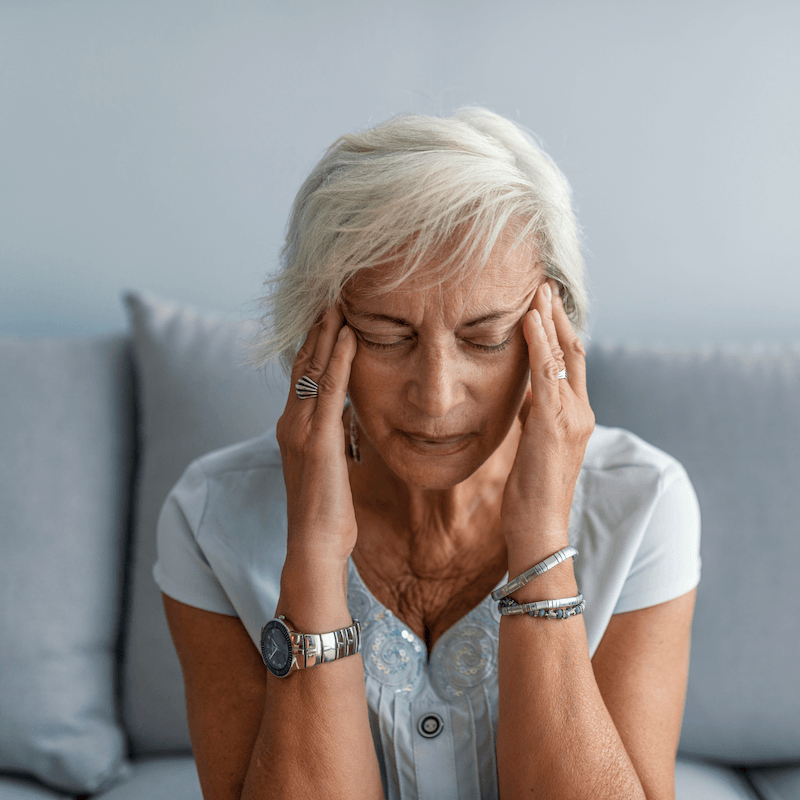
A migraine condition does not always cause debilitating head pain; in clinical reality, a vestibular migraine targets balance function, motion perception, and spatial awareness. Our clinical team conducts comprehensive evaluations for chronic dizziness to establish whether vestibular migraine or another balance condition is present. Securing effective migraine treatment requires identifying your specific symptom profile and discussing those details thoroughly with your physician.
Vestibular vs. Classical Migraine: Key Differences
Vestibular migraine and regular migraine share identical disease mechanisms, but their most prominent physical symptoms vary significantly. A typical migraine attack often centers on moderate to severe head pain that may be one-sided, pulsating, and aggravated by normal activity. Symptoms such as nausea, emesis, light and sound sensitivity, and visual aura phenomena frequently coincide with the head pain.
A vestibular migraine primarily manifests as true vertigo, disequilibrium, balance dysfunction, and severe motion sensitivity. Patients may experience coexisting head pain, but headache is not an obligatory component of every vestibular episode. An attack can involve subjective or objective rotational vertigo, dizziness aggravated by head turns, or discomfort in visually rich settings.
Qualifying vestibular events standardly run a time course extending from five minutes to 72 hours. Because clinical manifestations often fluctuate between episodes, linking these balance issues to a migraine etiology can be challenging.
What Disorders Cause Vestibular Migraines?
A solitary physiological defect has not been proven to cause vestibular migraine on its own. The disorder likely develops from overlapping neurochemical pathways handling both trigeminal pain and inner ear balance signals. Individual or hereditary migraine history, paired with lifelong motion sickness, substantially elevates clinical susceptibility.
Clinical episodes are frequently provoked by:
- Irregular or insufficient sleep
- Delayed food intake, prolonged fasting, or inadequate hydration
- Severe emotional stress or the physical transition period immediately following chronic stress
- Menstrual fluctuations and other significant reproductive endocrine shifts
- Bright, flashing, or visually complex surroundings
- Extended vehicle travel, dynamic physical movement, or fast smartphone screen scrolling
- Alcohol or individually identified food triggers
- Ambient weather shifts, storm fronts, or crowded environments causing sensory overload
Clinical Symptoms of Vestibular Migraine Compared to Regular Migraines
Although typical migraines are known for throbbing headaches, the disease encompasses a broad constellation of symptoms beyond pain. Clinical presentations frequently feature nausea, vomiting, visual aura, physical exhaustion, mental clouding, neck pain, and sensory hypersensitivity.
Vestibular migraine may include:
- Sensations of rotational spinning or non-spinning spatial disorientation
- Postural disequilibrium, ataxia, or generalized loss of balance
- Dizziness triggered or aggravated by rapid head turns or tilting
- Gastrointestinal nausea provoked by physical movement or riding in vehicles
- Sensitivity to moving screens, crowds, traffic, or patterned surfaces
- A sensation of rocking, tilting, floating, or being pulled
- Sensory hypersensitivity involving photophobia, auditory intolerance, and visual overstimulation
- Head pressure or migraine-type headache
- Reversible ear fullness, localized acoustic pressure, or ringing in the ears
The pattern, duration, and triggers help distinguish vestibular migraine from other causes. Sudden dizziness combined with focal weakness, localized numbness, slurred speech, double vision, loss of consciousness, or gait failure necessitates emergency care.
Can You Experience Vertigo and Head Pain During the Same Migraine?
Yes, this frequently happens. True rotational vertigo and classic migraine head pain can develop within the identical clinical attack. Dizziness might manifest as a premonitory symptom before head pain, peak while the headache is active, endure following pain resolution, or strike alone. Some people alternate between headache-dominant and balance-dominant attacks over months or years.
A vestibular attack does not require concurrent cephalalgia to have a direct neurovascular migraine origin. Documenting flare-ups in a symptom diary illuminates subtle patterns that might otherwise be forgotten during doctor visits. Log the duration of balance loss, headache features, sensory symptoms, menstrual cycles, sleep schedules, food intake, suspected triggers, and medication effectiveness. This information can make an evaluation more precise.
How Can a Doctor Diagnose the Cause of Vestibular Migraines?
A definitive diagnosis cannot be established through a single blood draw, MRI scan, or individual vestibular balance test. Diagnostic evaluation initiates with a structured examination of symptom chronology and a confirmed history of migraine with or without aura. Accepted diagnostic standards mandate documenting at least five moderate to severe vestibular attacks of five minutes to 72 hours duration, with migraine features accompanying at least half.
Our clinical evaluation includes targeted neurological exams, oculomotor testing, middle-ear inspections, diagnostic audiometry, and specialized balance studies. Tailored to your specific profile, diagnostics might feature a pure-tone audiogram, canal positional tests, computerized vestibular batteries, or cranial MRI scans. These evaluations provide the objective data needed to isolate or rule out alternative medical issues causing comparable dizziness. Vestibular migraine is diagnosed solely when the symptom pattern satisfies consensus criteria and another etiology cannot better account for the condition.
Clinical Management and Treatment Options for Vestibular Migraines
Care plans are individualized to match your specific attack frequency, symptom severity, comorbid headaches, general medical background, and medication tolerances. Many people benefit from combining daily prevention with a plan for managing acute episodes.
Our practice designs a comprehensive treatment strategy that may incorporate:
- Establishing structured daily routines for sleep, timely meals, fluid intake, and low-impact cardiovascular exercise
- Isolating and minimizing contact with consistent environmental or dietary triggers
- Adopting psychological relaxation practices, biofeedback, or cognitive behavioral strategies
- Implementing appropriate antiemetic prescriptions to alleviate severe nausea during attacks
- Conservative, short-term application of prescription vestibular suppressants for acute episodes
- Prophylactic regimens involving beta-blockers, calcium channel blockers, topiramate, tricyclic antidepressants, or CGRP inhibitors
- Targeted vestibular physical therapy to retrain the central balance system and reduce chronic motion sensitivity
These medications are reserved for acute use only, as chronic ingestion triggers drowsiness and suppresses natural vestibular compensation within the brain. Medication choices should be made with us rather than borrowed from another person’s migraine plan. Clinical stabilization often involves gradual pharmacological adjustments alongside diligent, long-term symptom logging.
Schedule an ENT and Balance Evaluation for Vestibular Migraine
If chronic vertigo, motion intolerance, or balance instability is impacting your quality of life, arrange an evaluation with our ENT practice. We begin your evaluation with a detailed review of migraine patterns, systemic health, and recovery targets, conducting specialized tests to distinguish vestibular migraine from BPPV, Ménière’s disease, and related vestibular issues. Get in touch with our ENT clinic now to request your vestibular migraine appointment.